Pets are often seen as full-fledged members of the family. They play a crucial role in children’s development, providing them with affection and companionship. Through interactions with dogs, cats, and other familiar animals, young people learn valuable lessons about responsibility, compassion, and empathy. Daily interactions with a pet can also contribute to children’s emotional well-being, reduce their stress, and even improve their social skills. Studies suggest that growing up with pets may strengthen children’s immune systems, making them less likely to develop certain allergies.
The Emotional Benefits of Pets for Children
The presence of a pet in the home proves to be a significant factor in children’s well-being. A silent yet comforting presence that offers constant emotional support. The animal, by its mere existence, becomes a pillar on which young ones can lean during moments of joy as well as sadness. It is also an impartial listener, allowing children to express themselves freely, without fear of judgment. This daily interaction with a four-legged or feathered companion fosters emotional expression and contributes to balanced emotional development.
The group ‘Parents en Action’ emphasizes that the bond between a child and their pet strengthens self-confidence and decreases feelings of isolation. The pet becomes a loyal friend, a source of emotional security that helps the child face the outside world with greater assurance. The emotional benefits are also manifested by a notable reduction in stress and anxiety among young people. Daily rituals of care and play with the pet establish a reassuring routine that structures the child’s day and contributes to their sense of serenity.
Growing up with a pet offers a rewarding experience that shapes character. Repeated interactions with the animal teach children respect for others, patience, and the importance of listening. By caring for their companion, children learn to take responsibility and understand the value of life. The benefits of pets transcend the family setting to prepare children to become empathetic adults who are attentive to the needs of others.
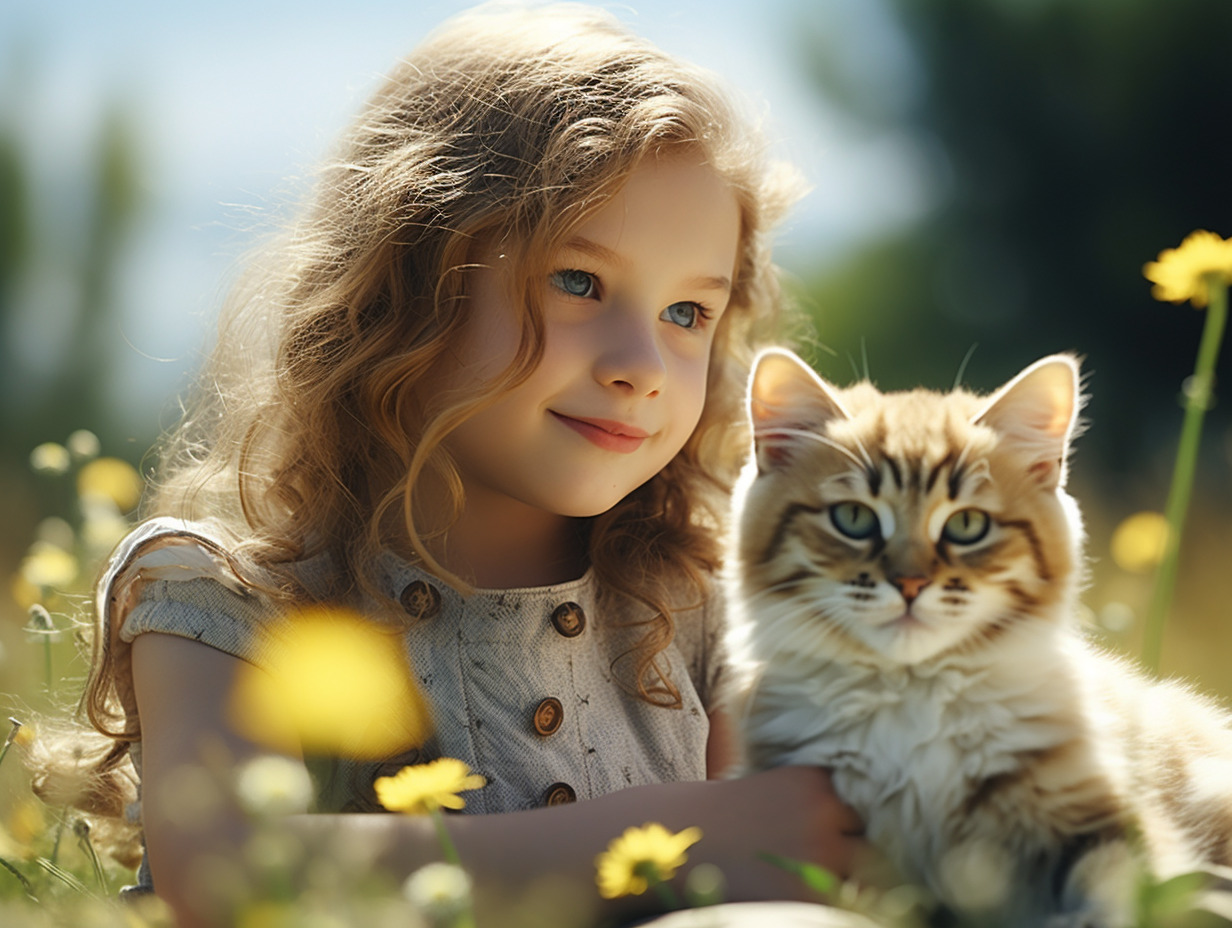
Pets as Factors of Social Development and Responsibility in Young People
Adopting a pet often comes with a notable evolution in the child’s social development. Indeed, the daily management of a living being encourages the child to interact with their environment in a more meaningful way. Every dog walk, every play session with the cat becomes an opportunity for social interaction, whether within the extended family circle or with other pet owners. The benefits for the family thus translate into strengthened social bonds and the acquisition of valuable relational skills for the child.
Caring for a pet also instills an increased sense of responsibility. Feeding, cleaning, and ensuring the health and well-being of a furry or scaly companion requires organization and consistency. Children learn to plan their days while considering their pet’s needs, which enhances their ability to take on obligations and honor commitments. This gradual empowerment is crucial in the child’s journey toward autonomy.
Pets promote the social development of young people by teaching them fundamental values such as empathy and compassion. By caring for a vulnerable living being, children develop sensitivity to the emotions of others, which they translate into their human relationships. This emotional understanding extends beyond the family circle to enrich the child’s social interactions at school and in the community, thus paving the way for a more compassionate society.