In cooking, precision is the key to a successful recipe. Often, ingredient measurements come in different units – grams, ounces, cups, or tablespoons. This can turn into a real puzzle when it comes to following a recipe to the letter. Fortunately, there are tips and tools to make measurement conversions easier. Whether using a printed conversion chart displayed on the refrigerator or utilizing dedicated mobile apps, both amateur and seasoned cooks can simplify their preparations and ensure the success of their dishes.
Mastering Basic Conversions in Cooking
Understanding and applying basic conversions is a considerable asset in creating delicate dishes and ensuring their success. Take, for example, the teaspoon, which represents 5 milliliters. This measurement easily transforms into a tablespoon by multiplying it by three. When a recipe calls for a tablespoon of a liquid ingredient, remember that you can replace it with three teaspoons.
Continuing with liquids, converting fluid ounces to milliliters is often necessary. A tablespoon, which equals half a fluid ounce, quickly converts to 15 milliliters. This key information allows for easy and precise adjustments of recipes from different measurement systems. When addressing larger measurements, such as converting ‘250 milliliters to grams’, you must consider the density of the ingredient in question, as the conversion will depend on its specificity.
The cup, a common unit of measurement, has multiple useful conversions: 16 tablespoons or 8 fluid ounces make up one cup, while a quart can be measured with a cup. Using a conversion chart, easily accessible, thus becomes a daily ally for navigating between these different units. Master these equivalences, and conversions will become second nature, freeing you from measurement errors that could disrupt the balance of your culinary preparations.
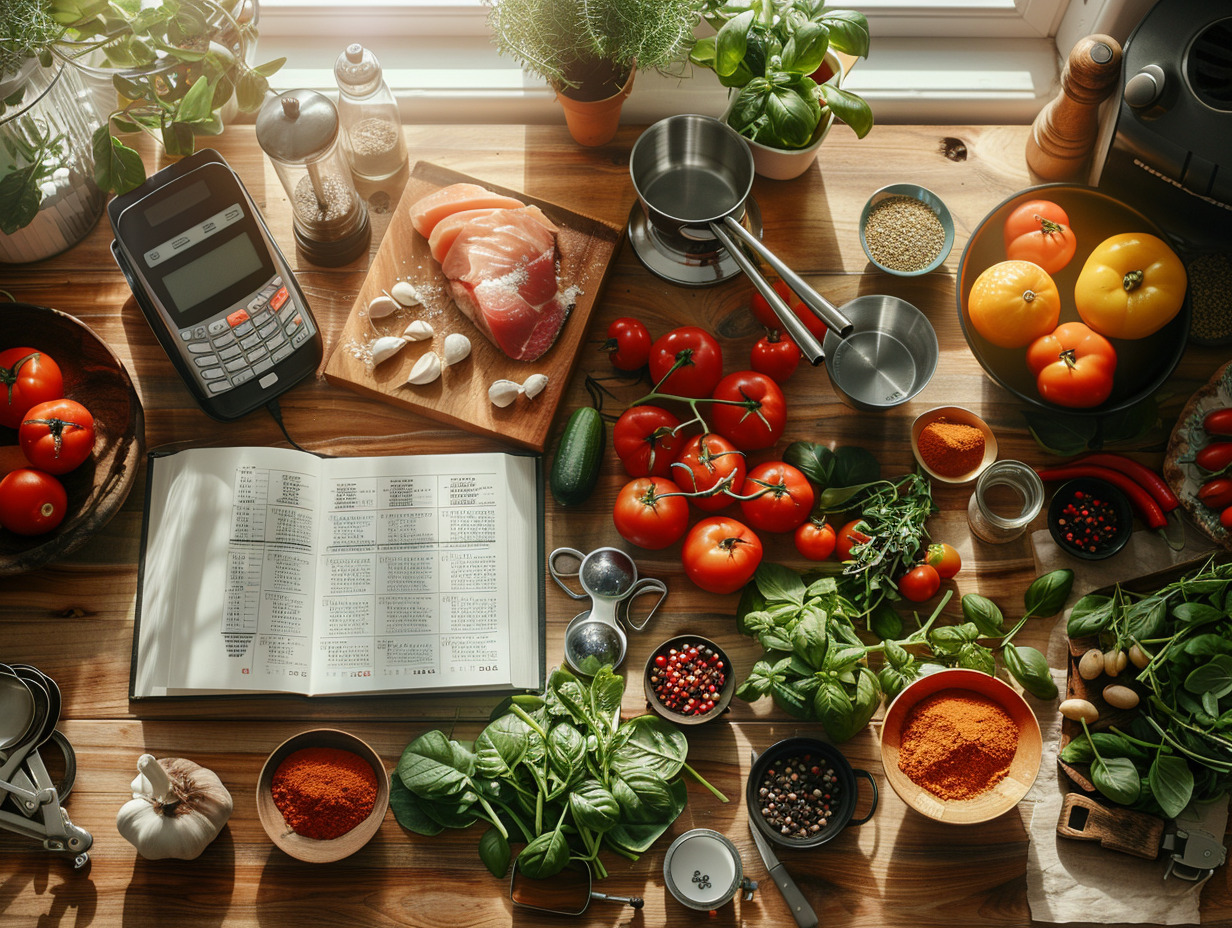
Tips and Tools for Accurate Measurements
The world of cooking demands clock-like precision, where every gram and every milliliter can lead to excellence or fall into the mediocrity of flavors. The conversion chart thus proves to be an infallible guide for the meticulous cook. Available online or in magnetic form to stick on the refrigerator, these charts provide quick access to the correspondences between measurement units. They serve as a shield against conversion errors, building a bridge between the metric system and traditional measurements.
In this quest for precision, the measuring cup stands out as an essential tool. A true versatile companion, it allows for measuring both liquids and dry ingredients, thus reducing the number of containers needed. Whether you’re looking to convert ounces to milliliters or cups to liters, this graduated container is the key to accurate and easy measurements, helping to avoid any surplus or deficit that could harm the harmony of flavors.
For small volumes, the relationship between teaspoon and tablespoon is simplified by the one-third rule: one teaspoon equals one-third of a tablespoon. Rigor is essential, so never forget this rule when converting ingredients. For larger ingredients, one tablespoon corresponds to one-sixteenth of a cup, an equivalence to keep in mind for accurate measuring. Arm yourself with this knowledge and these tools, and measurements in cooking will become second nature, leading your recipes to their full potential.