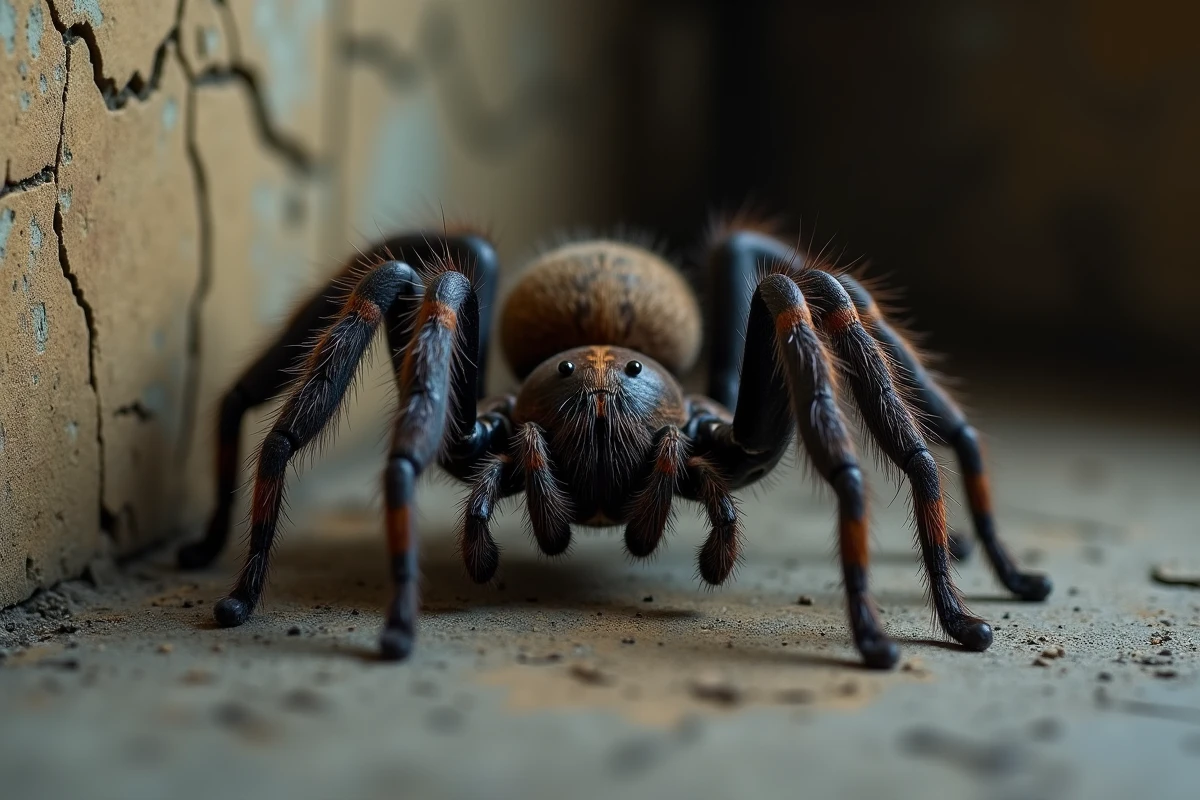
The babouk, or Heteropoda venatoria, is a spider from the Sparassidae family found in most homes in Réunion. With a wingspan that can reach around ten centimeters including its legs, it regularly provokes panic reactions. However, its bite is comparable to an insect sting, generally not serious in the vast majority of cases.
Bacteria on the cuticle: an overlooked health risk of the babouk
The size and speed of the babouk capture attention, but another aspect deserves examination. A study conducted in Taiwan and Florida on Heteropoda venatoria highlighted the presence of opportunistic bacteria on its cuticle and in its intestine, notably strains of Pseudomonas and Enterobacter.
These bacteria come from the prey consumed by the babouk, particularly cockroaches, and from contaminated surfaces it traverses in homes. Researchers specify that no direct transmission of these pathogens to humans has been demonstrated in Réunion.
The risk remains theoretical, but it raises a practical question: a babouk moving across a countertop or near food potentially carries the same germs as the cockroaches it hunts. Understanding the dangers of the babouk spider in Réunion requires going beyond the simple question of bites to include this dimension of domestic hygiene.
Babouk bite in Réunion: local reaction and allergic cases
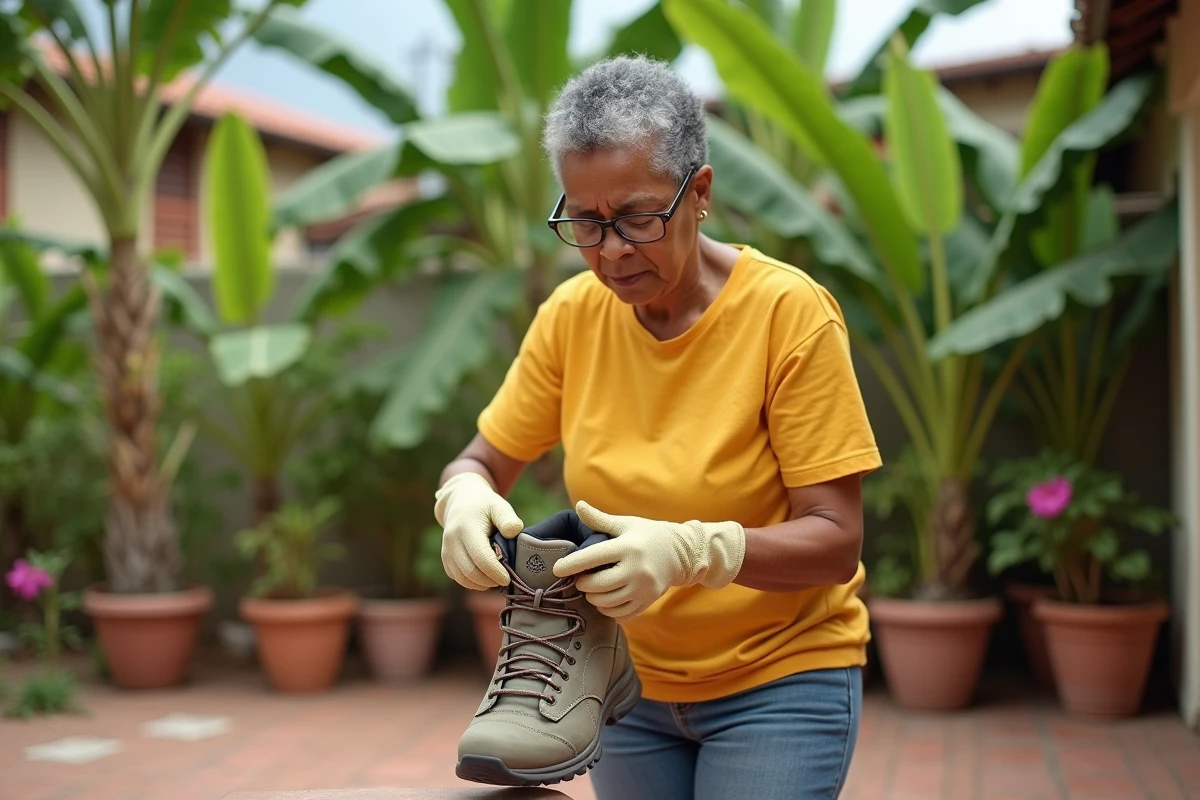
The bite of the babouk is rare. This spider does not spin webs and prefers fleeing to fighting. For it to bite, it usually needs to be trapped against the skin, for example, by putting on clothing where it has taken refuge at night.
When a bite occurs, it causes a sharp but brief pain, comparable to that of a wasp sting. The area reddens and may swell slightly for a few hours.
Documented allergic reactions
The Marseille Poison Control Center has reported cases of moderate skin reactions following bites from Heteropoda venatoria. These cases involved specimens imported to the mainland via boxes or plants, but the allergic mechanism is the same regardless of location.
In individuals sensitive to arthropod stings, the bite can trigger dermatitis or local edema requiring antihistamine or local corticosteroid treatment. No serious general complications have been reported in the case summary covering the period from 2018 to 2022.
In practice, a babouk bite warrants a medical consultation only if swelling extends beyond the bite area, if intense itching persists, or if the person has a history of allergy to arthropod venoms.
Nocturnal behavior and areas of presence in the house
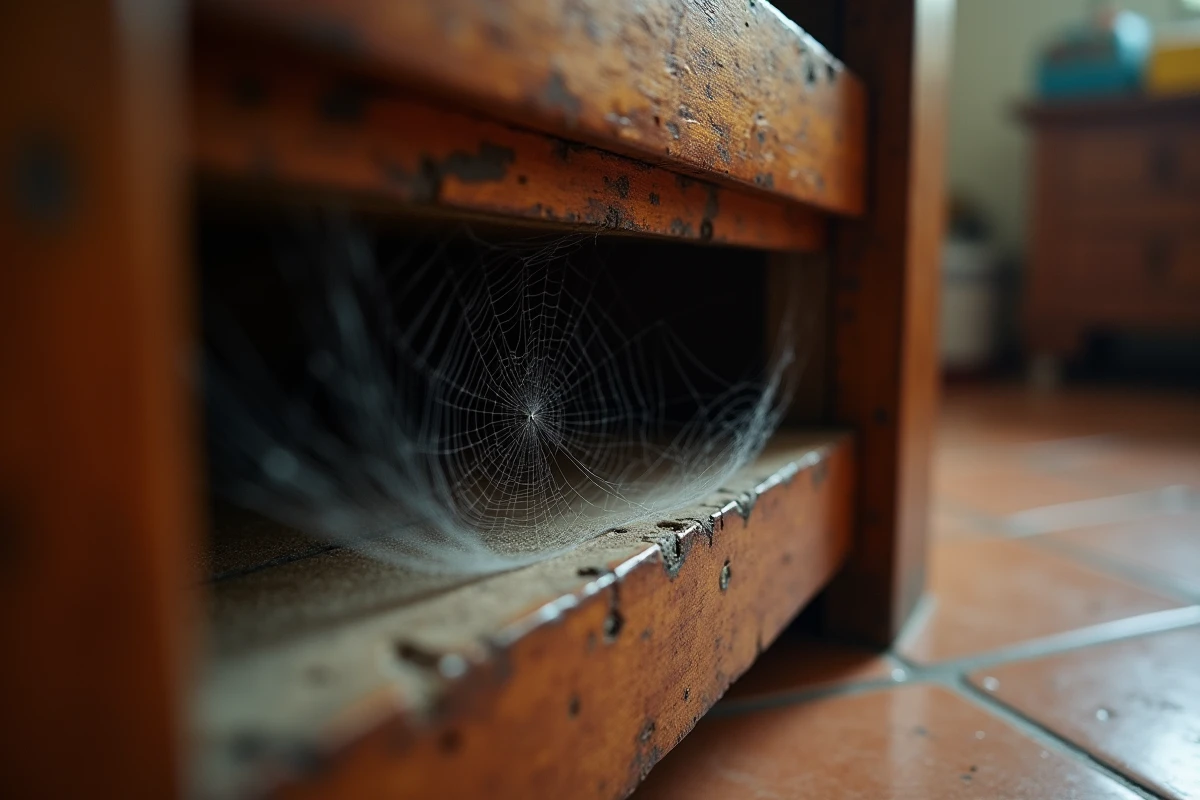
The babouk is an active hunter at night. It does not build webs but patrols walls, ceilings, and furniture in search of prey: cockroaches, mosquitoes, small insects. This habit explains the frequent nighttime encounters, often in the kitchen or bathroom.
During the day, it hides in dark and quiet areas. Preferred spots include spaces behind frames, under furniture, in seldom-used closets, and behind appliances.
- Banana leaves, packaging boxes, and bunches of fruit stored near the house are classic entry points for the babouk
- Cracks around windows and doors, even a few millimeters wide, are enough for it to slip inside
- Humid and warm rooms (bathroom, laundry room) attract both prey insects and the babouk that follows them
Protecting your home from the babouk: concrete methods
Systematically killing babouks makes little practical sense: they return as long as the food source exists. The effective strategy is to reduce the populations of prey insects and limit access.
Eliminating entry points
Installing foam or silicone seals around doors and windows significantly reduces intrusions. Ventilation grilles without fine mesh deserve special attention, as they allow large spiders to pass through.
Checking the sealing of pipe and cable passages in walls is a often overlooked gesture. A simple acrylic sealant is enough to fill these openings.
Reducing habitat attractiveness
The babouk follows its prey. Fewer cockroaches and mosquitoes mean fewer babouks. Storing food in airtight containers, not leaving dirty dishes overnight, and regularly emptying trash cans limits the presence of cockroaches.
- Keep piles of leaves, dead wood, and boxes stored against the exterior walls of the house away
- Prefer yellow LED outdoor lighting, which is less attractive to flying insects that attract the babouk
- Shake out clothes and shoes left on the ground before putting them on, especially after the night
Cohabitation or relocation
The babouk effectively eliminates cockroaches and mosquitoes in a home. Some residents of Réunion accept this cohabitation by tolerating their presence in less frequented rooms. For those who prefer to relocate them, a simple glass and a piece of cardboard slipped underneath can capture it without harming it and release it outside.
The use of chemical repellents against spiders remains poorly documented in terms of effectiveness on Heteropoda venatoria. Classic insecticide sprays kill it, but also eliminate the natural predators of cockroaches, which can worsen the problem in the medium term.
The babouk is neither a pet nor a major health threat. Its presence in a Réunion house primarily signals a domestic ecosystem rich in insects. Addressing the causes, rather than the spider itself, remains the most sustainable approach to limit nighttime encounters.